
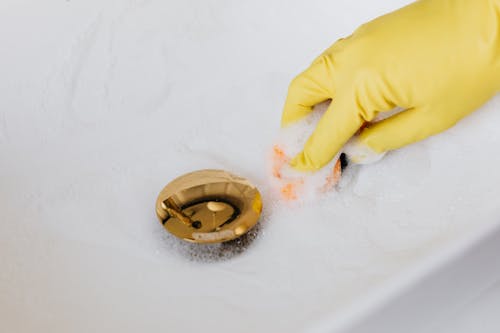
Clogged drains are a common problem in many households, and it’s often tempting to grab a bottle of chemical drain cleaner to solve the problem quickly. However, as a handyman in Mascotte, Florida, I believe that there are better and safer ways to clean your drains than using harsh chemicals. In this article, I’ll explore the differences between natural remedies and chemical cleaners and provide some tips for DIY drain cleaning.
Chemical Cleaners: Pros and Cons
Chemical drain cleaners are designed to dissolve clogs quickly and effectively. They contain strong acids and bases that can break down hair, grease, and other materials that may be blocking your pipes. However, these chemicals can also be dangerous if not used correctly. They can cause severe burns if they come into contact with your skin or eyes and can damage your pipes if used excessively.
Additionally, chemical cleaners can harm the environment. When you pour them down the drain, they can end up in lakes, rivers, and oceans, where they can harm aquatic life and contribute to water pollution.
Natural Remedies: Pros and Cons
If you’re looking for a safer and more environmentally friendly way to clean your drains, natural remedies may be the way to go. These remedies use common household items such as baking soda, vinegar, and lemon juice to break down clogs.
Baking soda and vinegar, for example, react chemically to create a foaming action that can help dislodge clogs. Lemon juice, on the other hand, contains natural acids that can dissolve organic materials such as hair and grease.
However, natural remedies may not be as effective as chemical cleaners, especially for severe clogs. It may also take longer for the natural remedies to work, and you may need to repeat the process several times.
Tips for DIY Drain Cleaning
If you’re interested in trying DIY drain cleaning, here are some tips to get you started:
Use a plunger. A plunger can be an effective tool for clearing clogs in sinks, toilets, and shower drains. Make sure you use a plunger that is the right size for your drain and that you create a tight seal around the drain before plunging.
Try natural remedies first. Before resorting to chemical cleaners, try natural remedies such as baking soda and vinegar or lemon juice. These remedies are safe and inexpensive, and they may be all you need to clear a minor clog.
Use chemical cleaners sparingly. If you do need to use a chemical cleaner, make sure you follow the instructions carefully and use the product sparingly. Pouring too much cleaner down the drain can damage your pipes and harm the environment.
Call a professional if necessary. If you’re not comfortable tackling a drain clog on your own, or if the clog is severe, it’s best to call a professional. A handyman in Mascotte, Florida, can assess the situation and provide the best solution for your specific problem.
Conclusion
In summary, there are pros and cons to both natural remedies and chemical cleaners when it comes to DIY drain cleaning. While chemical cleaners may be effective, they can also be dangerous and harmful to the environment. Natural remedies are safer and more environmentally friendly, but they may not be as effective for severe clogs. As a handyman in Mascotte, Florida, I recommend trying natural remedies first and using chemical cleaners sparingly. If you’re unsure or uncomfortable with DIY drain cleaning, don’t hesitate to call a professional for help.